
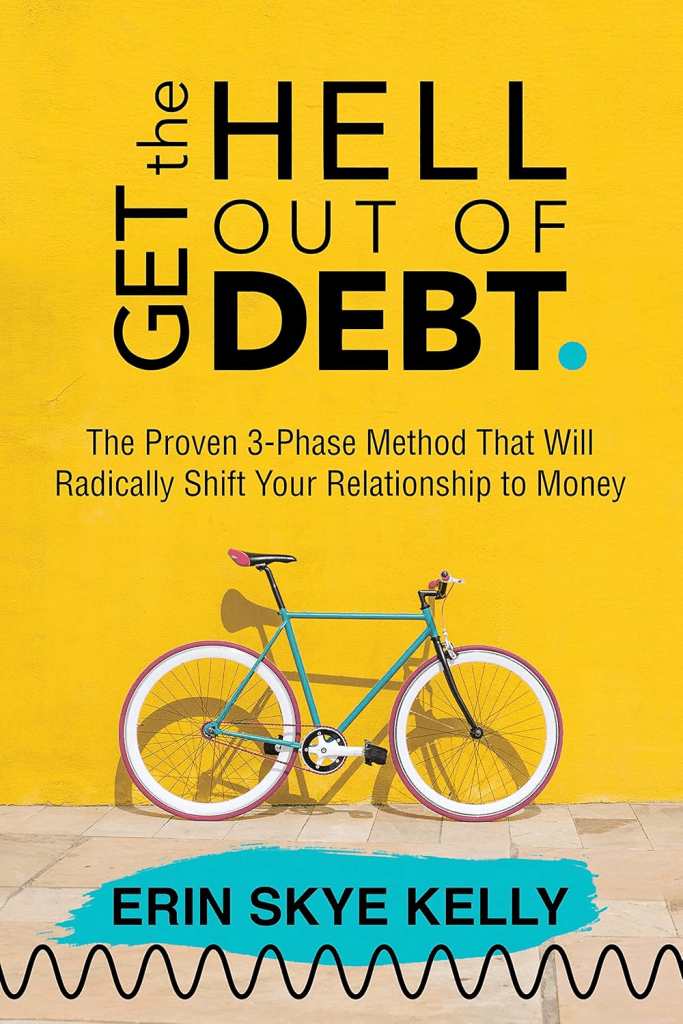
I don’t remember exactly where I first heard about Get the Hell Out of Debt or who recommended it to me, but it had been sitting on my reading list since last year. For some reason, it kept getting bumped down the priority list in favor of other reads. Looking back, I shouldn’t have waited so long. I’m glad I finally picked it up and made the time to finish it. That makes it the second book I’ve completed this January—quite the contrast to the seriousness of Tara Westover’s Educated! Perhaps that’s why it took me a little time to adjust to Erin Skye Kelly’s humorous and sarcastic tone.
This book is an approachable, often lighthearted guide to managing money, peppered with Erin’s jokes and a good dose of sarcasm. But underneath the humor is sound advice, covering everything from creating a sustainable financial plan to preparing for life’s inevitable realities—like planning for the end of life, a topic many people ignore entirely.
When I first picked up the book, I was looking for practical and persuasive reasons to share with clients about why they should prioritize paying off debt. Often, when I work with clients as a financial coach, I encounter resistance: reasons why they think they can’t get out of debt. I hoped this book would give me fresh insights to help them overcome those barriers.
However, this book isn’t just about “why” you should get out of debt—it’s about transforming your relationship with money. Erin starts by encouraging readers to forgive themselves for past financial mistakes. She stresses that while it’s important to acknowledge your financial missteps and learn from them, dwelling on them will only hold you back. This idea resonated with me deeply because it’s something I’ve seen firsthand. People often stay stuck because they carry guilt about their financial past, which blocks them from moving forward.
Key Takeaways
Despite my initial struggle with Erin’s humor, there were several insights that stood out to me:
1. The Definition of Financial Freedom
Erin defines financial freedom simply: it’s when your passive income exceeds your expenses. She also explains passive income in the most relatable way possible—as money you earn while you’re sitting in a hammock sipping lemonade. This image is both humorous and aspirational, making the concept accessible even to those who might feel overwhelmed by financial jargon.
2. Building Wealth Through Decisive Action
Erin emphasizes the importance of making a decision and acting on it. She points out that too many people take a “wait and see” approach when it comes to investing, which often results in missed opportunities. By the time most investments become widely known, the biggest gains have already been made. Her advice? If you’ve done your research, vetted the opportunity, and it feels right, act decisively. If you find yourself second-guessing, it’s probably not the right investment for you—so move on.
3. “Don’t Should on Others or Yourself”
This phrase was one of the more memorable takeaways for me. Erin cautions against imposing your financial beliefs, limitations, or decisions on others—or even on yourself. Everyone’s financial journey is unique, and their decisions are theirs to make. This advice is particularly relevant in a world where social comparison and judgment often seep into personal finance discussions.
4. Challenging the Cost of a Car
One example in the book that gave me pause was Erin’s claim that a car could cost you over $2 million. While her math makes sense if you consider the cumulative cost of constantly leasing or financing vehicles (and the opportunity cost of investing that money), I think the example is a bit extreme. For many people, keeping a car long after it’s paid off and maintaining it is a more realistic scenario. Most people I know don’t perpetually carry a car payment by choice—they do so out of necessity. That said, the example serves as a strong reminder to consider the long-term implications of even “ordinary” expenses.
5. Adapt Financial Advice to Your Situation
Erin pulls wisdom from notable financial experts like Dave Ramsey and Robert Kiyosaki. She doesn’t fully agree or disagree with their methods but encourages readers to adapt any system that works for them. What stood out most, though, was her insistence on not sacrificing your own financial well-being to help someone else. This advice is crucial, as I’ve seen people jeopardize their own futures by taking on debt to support others.
A Fresh Perspective on Money
One of the most valuable aspects of Get the Hell Out of Debt is its tone. Erin manages to tackle serious financial topics in a way that feels approachable, even fun. This makes the book a great option for those who find traditional financial advice books too dry or intimidating. It’s also packed with practical tips and strategies that anyone can use to improve their financial literacy and begin reshaping their relationship with money.
At its core, this book is about empowerment. Erin helps readers see that they are not defined by their financial mistakes and that they have the power to change their financial future. It’s not about quick fixes or gimmicks; it’s about creating sustainable habits that lead to financial freedom.
Final Thoughts
If you’re looking for a book that’s a little lighter in tone than traditional financial advice books but still packed with actionable insights, Get the Hell Out of Debt is a worthwhile read. Erin’s humor and candor make complex topics like budgeting, investing, and financial planning feel less daunting.
While I didn’t agree with everything she said, I appreciated her perspective and found several nuggets of wisdom that I can apply in my own life and share with my clients. Whether you’re just starting your financial journey or looking for a fresh perspective, this book is a great resource for anyone looking to change their financial narrative.
In the end, Erin’s message is clear: financial freedom is achievable, but it requires a commitment to change, a willingness to forgive yourself, and the courage to take action. Don’t wait as long as I did to pick up this book—it might just be the push you need to take control of your financial future. I’ll definitely add it to my “sharpening the saw” money reading list.
Overall Rating: 4 out of 5 stars
 Corey Stokes
You must be logged in to post a comment.