
In today’s digital world, traditional business cards are becoming obsolete. While these paper rectangles have served us well, they no longer match our modern communication needs. Let’s explore better ways to share contact information.
The Problem with Traditional Business Cards
Business cards have clear drawbacks. They get lost, forgotten, or become outdated quickly. Though companies still print and reprint them daily, the cards are often forgotten in desk drawers. When contact details change, entire stacks become useless—wasting both money and resources.
Digital Alternatives for Contact Sharing
Technology offers better ways to share contact information:
1. Direct Text Messages
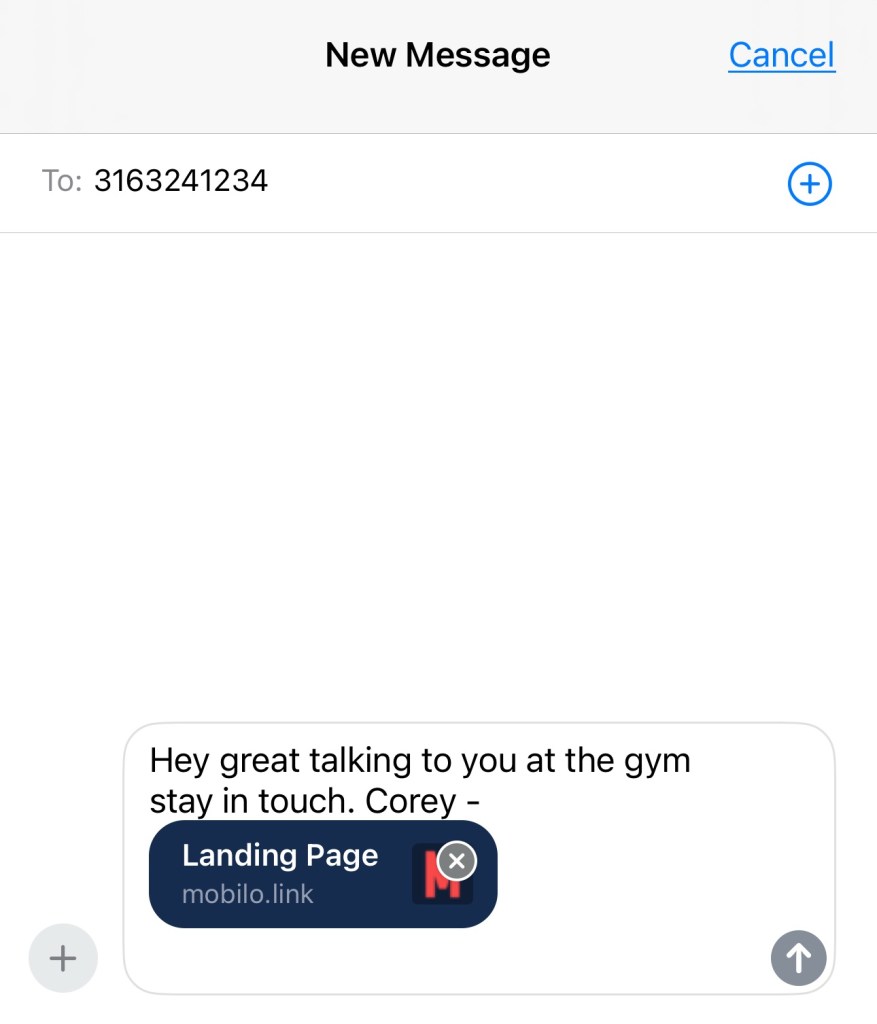
Sending a text with your details is simple and effective. The key is adding context—for example, “Great meeting you at the conference today – John from Marketing” helps people remember who you are.
2. Social Media Connections
Social media makes maintaining professional connections easy. Your profile provides visual cues and context about who you are and your professional background.
3. Digital Business Cards
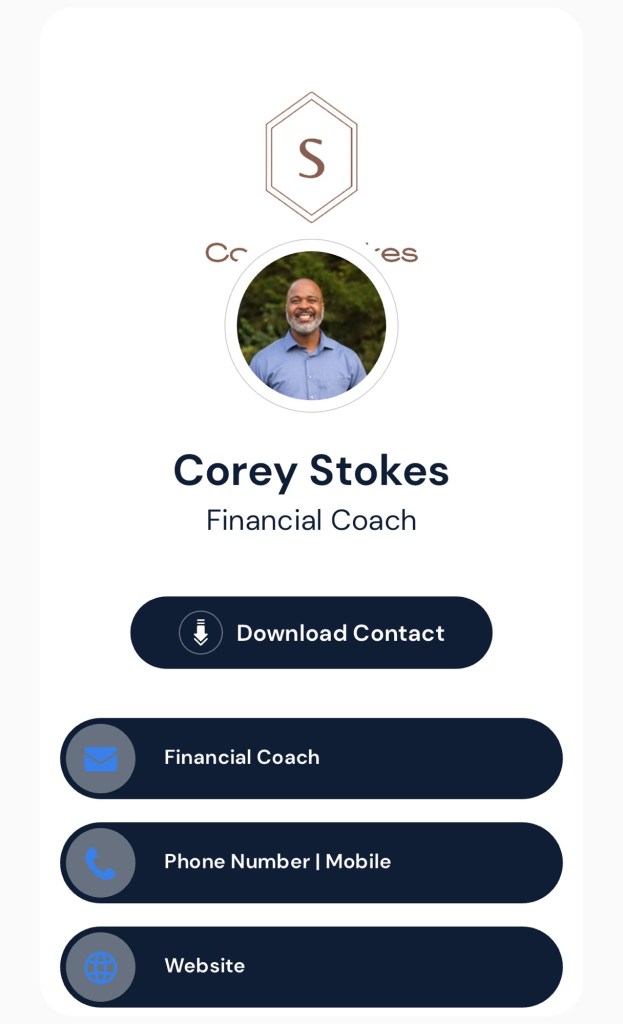
Services like Mobilo Card and Dot Card offer digital business cards with QR codes and direct links to your contact information. Recipients can save your details to their phones with one tap.
4. Phone Tap
Most modern phones let you exchange contact information with a simple tap—accept the exchange, and the contact appears in your phone book.
5. Contact Card
Or the simplest option: create a contact in your phone with the information you’d like to share and send that contact card when you are exchanging numbers.
Best Practices for Modern Contact Sharing
When sharing your contact information digitally, remember these key points:
- Always provide context about how and where you met
- Include relevant social media profiles or professional networks
- Make it easy for the recipient to save your information digitally
When Traditional Business Cards Still Make Sense
Physical cards still serve a purpose in specific situations—like leaving one for someone who’s unavailable or in formal business settings. Even then, including digital contact methods on the card helps. I now follow up with an email or text message so that whoever I’m trying to connect with can easily add my information to their phone.
When receiving a business card, scan it immediately into your notes app with details about your meeting. Many note apps can automatically import the scan into your contacts.
Conclusion
Our ways of connecting have evolved, and our contact-sharing methods should too. While business cards have their place, digital alternatives offer more efficient and sustainable options. The goal is simple: make it easy for others to remember who you are and why they have your contact information.
I’d love to hear your thoughts! Do you still use business cards? When do you find them most valuable? How has digital networking changed your approach?
Let’s continue this conversation on my Facebook page at www.facebook.com/CoreyLStokesLLC. Share your networking experiences and strategies. What methods work best for you?
Share your business card mishaps or success stories with digital alternatives. I’m especially interested in hearing how you’ve combined traditional and modern networking approaches.
Connect with me on Facebook, and let’s explore how to make personal and professional networking more efficient and meaningful in our digital world!
 Corey Stokes
You must be logged in to post a comment.